Society of Environmental and Occupational Health

Society of Environment and Occupational Health
Society of Environment and Occupational Health
Musculoskeletal Disorders
Musculoskeletal disorders (MSD) are injuries or disorders of the muscles, nerves, tendons, joints, cartilage, and spinal discs. Work-related musculoskeletal disorders (WMSD) are conditions include routine lifting of heavy objects, daily exposure to whole body vibration, routine overhead work, work with the neck in chronic flexion position, or performing repetitive forceful tasks. There is positive evidence for relationships between work conditions and MSDs of the neck, shoulder, elbow, hand and wrist, and back.
Approximately 1.71 billion people have musculoskeletal conditions worldwide. Among musculoskeletal disorders, low back pain causes the highest burden with a prevalence of 568 million people. Musculoskeletal conditions significantly limit mobility and dexterity, leading to early retirement from work, lower levels of well-being and reduced ability to participate in society. Because of population increases and ageing, the number of people with musculoskeletal conditions is rapidly increasing.
Musculoskeletal conditions comprise more than 150 conditions that affect the locomotor system of individuals. They range from those that arise suddenly and are short-lived, to lifelong conditions associated with on-going functioning limitations and disability.
- High task repetition.
- Forceful exertions.
- Repetitive or sustained awkward postures.
Individual-related Risk Factors
Poor work practices. .
Poor overall health habits.
Poor rest and recovery.
Poor nutrition, fitness and hydration. .
Musculoskeletal conditions are also the highest contributor to the global need for rehabilitation. They are among the largest contributors to the need for rehabilitation services. Musculoskeletal disorders are associated with high costs to employers such as absenteeism, lost productivity, and increased health care, disability, and worker’s compensation costs. MSD cases are more severe than the average nonfatal injury or illness
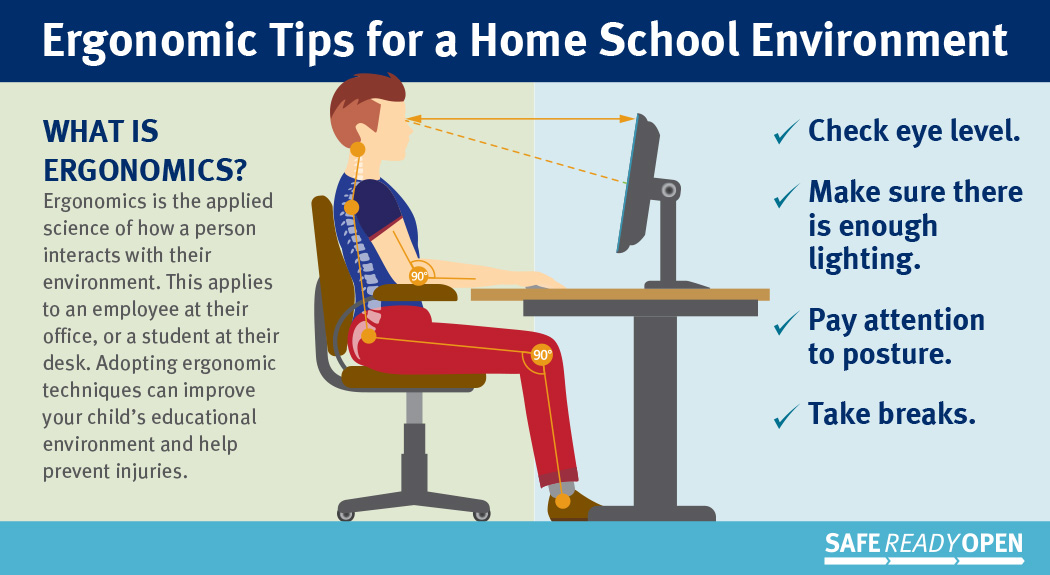
The goal of ergonomics is to reduce stress and eliminate injuries and disorders associated with the overuse of muscles, bad posture, and repeated tasks. A workplace ergonomics program can aim to prevent or control injuries and illnesses by eliminating or reducing worker exposure to WMSD risk factors using engineering and administrative controls. PPE is also used in some instances but it is the least effective workplace control to address ergonomic hazards. Risk factors include awkward postures, repetition, material handling, force, mechanical compression, vibration, temperature extremes, glare, inadequate lighting, and duration of exposure.
Developing and Implementing Workplace Controls
A three-tier hierarchy of controls is widely accepted as an intervention strategy for reducing, eliminating, or controlling workplace hazards, including ergonomic hazards. The three tiers are:
Use of engineering controls
To design the job to take account of the capabilities and limitations of the workforce using engineering controls. To use mechanical assist devices to relieve heavy load lifting and carrying tasks. Using handles or slotted hand holes in packages requiring manual handling. Changing workstation layout, which might include using height-adjustable workbenches or locating tools and materials within short reaching distances
Reducing shift length or limiting the amount of overtime ,changes in job rules and procedures such as scheduling more breaks to allow for rest and recovery ,rotating workers through jobs that are physically tiring, training in the recognition of risk factors for WMSDs and instructions in work practices and techniques that can ease the task demands or burden (e.g., stress and strain)
Use of personal protective equipment (PPE)
PPE generally provides a barrier between the worker and hazard source. Respirators, ear plugs, safety goggles, chemical aprons, safety shoes, and hard hats are all examples of PPE. The use of wrist splints while engaging in work that requires wrist bending.
Occupational ergonomics is a discipline which attempts to adapt the job to the worker with the goal of promoting worker health, safety, and comfort as well as productivity. Musculoskeletal disorders are a leading cause of disability among people in their working years. Ergonomics is the science of fitting workplace conditions and job demands to the capability of the working population. The goal of ergonomics is to reduce stress and eliminate injuries and disorders associated with the overuse of muscles, bad posture, and repeated tasks. A workplace ergonomics program can aim to prevent or control injuries and illnesses by eliminating or reducing worker exposure to WMSD risk factors using engineering and administrative controls. PPE is also used in some instances but it is the least effective workplace control to address ergonomic hazards. Risk factors include awkward postures, repetition, material handling, force, mechanical compression, vibration, temperature extremes, glare, inadequate lighting, and duration of exposure.
Employers are responsible for providing a safe and healthful workplace for their workers. In the workplace, the number and severity of MSDs resulting from physical overexertion, and their associated costs, can be substantially reduced by applying ergonomic principles.
Implementing an ergonomic process is effective in reducing the risk of developing MSDs in high-risk industries as diverse as construction, food processing, fire fighting, office jobs, healthcare, transportation and warehousing.
Training is an important element in the ergonomic process. Training should be conducted in a language and vocabulary that all workers understand and is best provided by individuals who have experience with ergonomic issues in your particular industry. When training is effective workers will:
- Learn the principles of ergonomics and their applications.
- Learn about the proper use of equipment, tools, and machine controls.
- Use good work practices, including proper lifting techniques.
- Become more aware of work tasks that may lead to pain or injury.
- Recognize early symptoms of MSDs.
- Understand the importance of reporting and addressing early indications of MSDs before serious injuries develop.
- Understand procedures for reporting work-related injuries and illnesses, as required by OSHA’s injury and illness recording and reporting regulation