Society of Environmental and Occupational Health

Society of Environmental and Occupational Health
Mental health is “a state of well-being in which the individual realizes his or her own abilities, can cope with the normal stresses of life, can work productively and fruitfully, and is able to make a contribution to his or her community”, according to the World Health Organization (WHO). Mental health includes subjective well-being, perceived self-efficacy, autonomy, competence, intergenerational dependence, and self-actualization of one’s intellectual and emotional potential, among others.
Mental health includes our emotional, psychological, and social well-being. It affects how we think, feel, and act. It also helps determine how we handle stress, relate to others, and make choices. Mental health is important at every stage of life, from childhood and adolescence through adulthood.
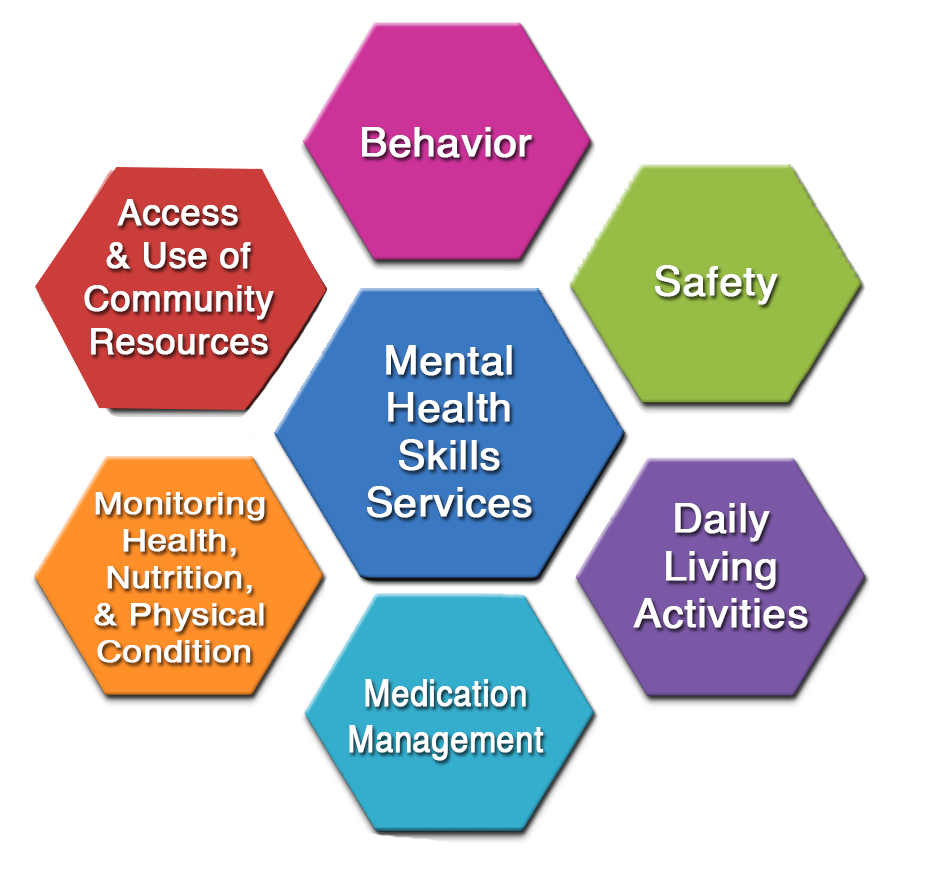
The factors contributing to mental health are
Mental disorders are defined as the health conditions that affect and alter cognitive functioning, emotional responses, and behaviour associated with distress and/or impaired functioning.
Early signs
There is no physical test or scan that reliably indicates whether a person has developed a mental illness. However, person should look out for the following as possible signs of a mental health disorder:
Mental Health and Wellness
Positive mental health allows people to:
Ways to maintain positive mental health include:
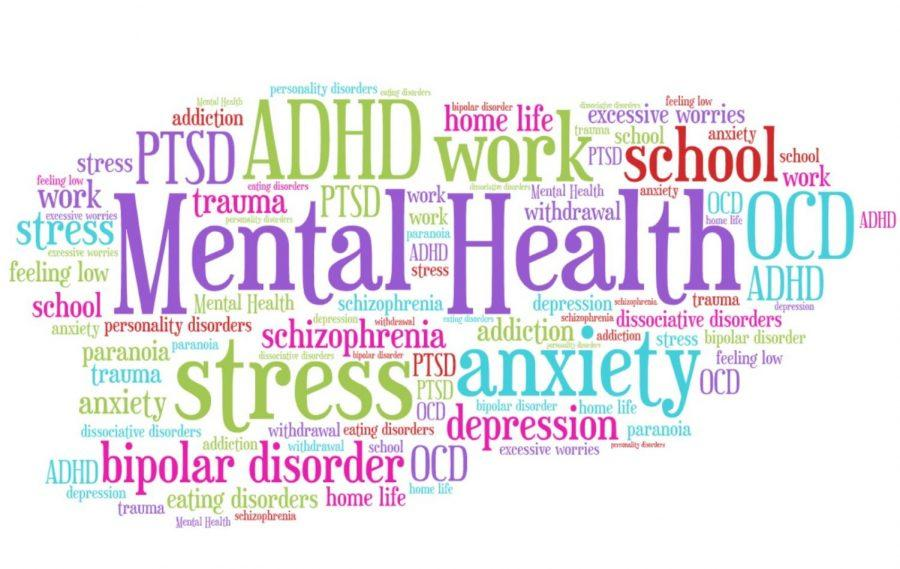
The most common types of mental illness are as follows:
You can see how this popup was set up in our step-by-step guide: https://wppopupmaker.com/guides/auto-opening-announcement-popups/
| Name : | Dr. Kiran Seth |
| Qualification : | M.B.B.S, D.N.B (INTERNAL MEDICINE), M.N.A.M.S
M.I.R.A Consultant Physician Rheumatologist |
| Current Designation : | Working in METRO Hospitals Noida since 2005 as Senior Consultant Physician and Rheumatologist. From 2015 onwards looking after medicine OPD, medicine IPD along with a Rheumatology clinic and IPD. |
BIO DATA
| Experience : | Total Years of Professional Experience: – More than 25 years
|
| Awards and Orations : |
|
| Expertise : |
|
| Memberships : | NAMS, API, IRA, DDA, ACR & SEOH |
| Achievements : | Independent Management of Rheumatology Clinic and IPD since 2005. Competency in Media briefs and Media addresses, Health Talks, and other promotional activities. Experienced in carrying out Corporate and Out-station OPDs. Involved in various Health Check-up Camps under the social responsibility of the Hospital. Single-handedly managed around 100 patients per day with OPD during the Chikungunya epidemic in 2016. |
| Name: | Jitendra Kumar Singh |
| Qualification: | BSc (Hons), MSW (Sociology), MIPHA, MISPSW, MAPCRI, |
| Current Designation: | Sociologist
Dept. of Community Medicine KPC Medical College and Hospital 1F, Raja S.C. Mullick Road, Jadavpur Kolkata – 700032, West Bengal, India |
BIODATA
| Experience: | Associated in different health awareness, research, data analysis., organizing seminar, and other activities for the past 20 years.
Also worked and assisted in the projects/programs of the following reputed agencies who are very popular in the field of public health: 1. Centre for Global Health Research (CGHR), 2. India CLEN, 3. WHO, 4. UNICEF, 5. UNDP, 6. UNFPA, 7. Govt. of West Bengal, 8. NRHM, 9. WBSAPCS, 10. APSACS, 11. ICMR etc.
|
| Publications: | 12 publications in different national and international indexed journals. |
| Awards, Speaker Invitations and Orations: |
|
| Expertise: | Data entry, data analysis, SPSS in quantitative research and management
Video and photo Editing Composing MSc & Ph.D. Reports, Supervised Field Training Programs, etc. Knowledge of SPSS in quantitative research. |
| Memberships: | IPHA, ISPSW, APCRI, Rotary Club of East Calcutta, SEOH |
| Achievements: |
|
| Name : | Dr. Kishore P Madhwani |
| Qualification : | M.D., PhD., Hon F.C.G.P., Hon F.BD.A.F.P., Pg., C.I.H. |
| Current Designation : | National Medical Advisor Bharti Airtel Ltd
Occupational Health, Office Ergonomics & Wellness Consultant, Mumbai, Maharashtra, India
|
BIODATA
| Experience : |
|
| Publications :
Original Research Paper & Workshop Presentations : |
More than 20 publications in different national and international indexed journals.
More than 80 scientific papers were presented as well as 70 training workshops conducted at state, regional, National and International meetings, symposia and conferences |
| Awards and Orations : |
|
| Expertise : |
|
| Memberships : | IOAH, ICOH, IMA, IPHA, IAPSM, WONCA, AFPI, SEOH |
| Achievements : |
|
| Name : | Dr. Dharmendra Kumar Gupta |
| Qualification : | MD, MBBS – GOLD MEDALLIST |
| Current Designation : | Chairman and Managing Director Felix Healthcare Pvt. Ltd. |
BIODATA
| Experience : | Medical Officer: Municipal Corporation, East Delhi, 2007-2015
Managed maternity hospital Treated Patients in OPD & IPD Established NICU Level II Master Trainer for Delhi state for RBSK Resident Doctor Dr. Ram Manohar Lohia Hospital, New Delhi (Department of Paediatrics), 03-02-2004 to 30-04-2004) Resident Doctor RNT Hospital, Udaipur, Rajasthan (Department of Surgery), 02-05-2004 to 20-06-2004 |
| Publications : | Many publications are in different national and international indexed journals. |
| Awards and Orations : | • Awarded as “Entrepreneur of the year” in a service business (Healthcare) for Established Entrepreneur of 2017 (7th Edition) in partnership with ET NOW News Channel.
|
| Expertise : |
|
| Memberships : | CII, FICCI, ASSOCHAM, IMA, IAP, SEOH |
| Achievements : |
|
| Name : | Dr. Sumit Rawal |
| Qualification : | M.B.B.S, M.D. (Dermatology, Venereology, and Leprosy) |
| Current Designation : | Dermatologist
ESIC Model Hospital, Noida |
BIODATA
| Experience : | Sep’2016- till date: Sincere & Dedicated over 3 years of Clinical Craftmenship Experience and Working in Dermatology Department at ESIC Model Hospital, Noida.
Accountabilities
|
| Expertise : | A dynamic dermatologist and effective clinician with 5+ years of Clinical experience in Dermatology with a major focus on Diagnostics, Treatment planning and results orientation with patient satisfaction. Currently Working at ESIC Model Hospital, Noida as an eminent Dermatologist.
Accountable for achieving patient satisfaction with an increase in patients inflow. Ability in cementing healthy relationships with the patients for generating growth. Possess excellent interpersonal, communication, and analytical skills. |
| Memberships : | SEOH |
| Achievements : | Actively participated in more than 13 International and National Conferences |
| Name : | Dr. Rajiv Garg |
| Qualification : | M.B.B.S, M.D. (Internal Medicine) |
| Current Designation : | Senior Medical Specialist (SAG)
Head, Department of Medicine ESI Hospital, Sector 24, Noida.
|
BIODATA
| Experience : | Total Years of Professional Experience: – More than 37 years
Experience in ESIC Hospitals:
|
| Publications : | More than 6 publications in different national and international indexed journals. |
| Awards and Orations : |
|
| Expertise : |
|
| Memberships : | IMA, DMA, MFS, IDWS, IOAH, AEOH, SEOH, AIESDA, DDF, Lions Club International, API, ICOH, etc. |
| Achievements : |
Health Camps in different parts of Society:
School and College program: Organized educative health awareness, environmental, healthy lifestyle programs in schools and colleges since 1998. Has been involved in Identifications, planning, implementing, and monitoring health needs in terms of medical services; health audits (risk assessments, audits, and inspections); liaison with local and regional hospitals of ESI, Governmental health authorities, and international medical service providers; and organized National and International conferences in India for National and International Bodies and chaired and presented papers… I have organized Health camps in Delhi and other parts of India. Also organized many health awareness campaigns in Schools and Colleges in India. |
| Name : | Dr. Narendra K. Rojha |
| Qualifications’ : | MBBS,MD,DCCP, DHM,AFIH. Certified Lead Auditor OHSAS: 18001 |
| Current Designation : | Consultant: Occupational, Industrial, Environmental Medicine & Hospital Administration |
| Experience : |
|
| Expertise : | Hospital Administration &Management, Medical Sleuthing in Environment, Safety, Industrial &Occupational Health.Auditing – NABH, IMS & QMS, Teaching &Training |
| Memberships’ : | NSC, IAOH, MFS&SEOH& IAOH |
| Achievements’ : | Commended as The ‘Turn Around Man’ for reviving a moribund hospital, successful NABH conclusion (His First & Hospital’s Fourth Attempt) of another hospital, and received plaudits by W.H.O. Audit Team for unearthing the cryptic source of Fungal Contamination in a Vaccine Manufacturing & R&D facility |